What Running Taught Me About Being a Beginner

Alternative title: “A Love Letter to Running”

On October 19, 2025, after more than 7 months of training, I ran the Toronto Waterfront Half Marathon; my first half-marathon race.1 It was incredible- one of the most difficult things I’ve ever accomplished, and also one of the most rewarding. 

I’ve been a runner now for a little over a year. I started running in the summer of 2024.2 My first 5-kilometre race was the Holly Jolly Fun Run that November. In May of this year, I ran the Sporting Life 10k. From there, I decided to keep my momentum going and train for a half marathon. 

Training didn’t come easily. I started with little to no base level of running ability. Although I regularly walked and hiked long distances, the last time I’d tried to run was in high school gym class. In deciding to become a runner, I knew I would be starting from “zero”: being able to run continuously for maybe one minute maximum (and no, I don’t even mean in one minute intervals) and after a lifetime of telling myself that I was bad at sports and could never be an athlete. This being said, starting from zero ended up being a good thing for me- it prevented me from setting my expectations too high and letting perfectionism get in the way of the process. 

While running has brought so many great things into my life, the biggest benefit I’ve gained has been learning how to be a beginner. In this blog post, I wanted to talk about my experience becoming a runner, and share some of the lessons it has taught me- lessons which are applicable to so many other areas of life.

Lesson One: Set Small, Incremental Goals.

When I started running in June 2024, my initial “end goal” was to run a half-marathon by that October. At first, I thought a half-marathon was something I could reasonably train up to in 4 months. I found some “couch to half marathon” training plans online and tried to follow them; but quickly found that running was a lot more difficult than I expected. I wasn’t able to hit the targets in the plans, became quickly discouraged, and eventually gave up training.  

Things changed in the fall when I made an offhand comment to my now-boyfriend that I wanted to be a runner. A runner and cyclist himself, instead of suggesting that I sign up for a big race, he encouraged me to start with a 5k. Compared to a half-marathon, I found training with a 5k goal in mind much less daunting. Instead of worrying about the prospect of running for more than 2 hours straight, I only had to worry about running for 35 minutes. I signed up for the Holly Jolly Fun Run, and, after a few weeks of training, I was able to finish the race with a 33-minute time.
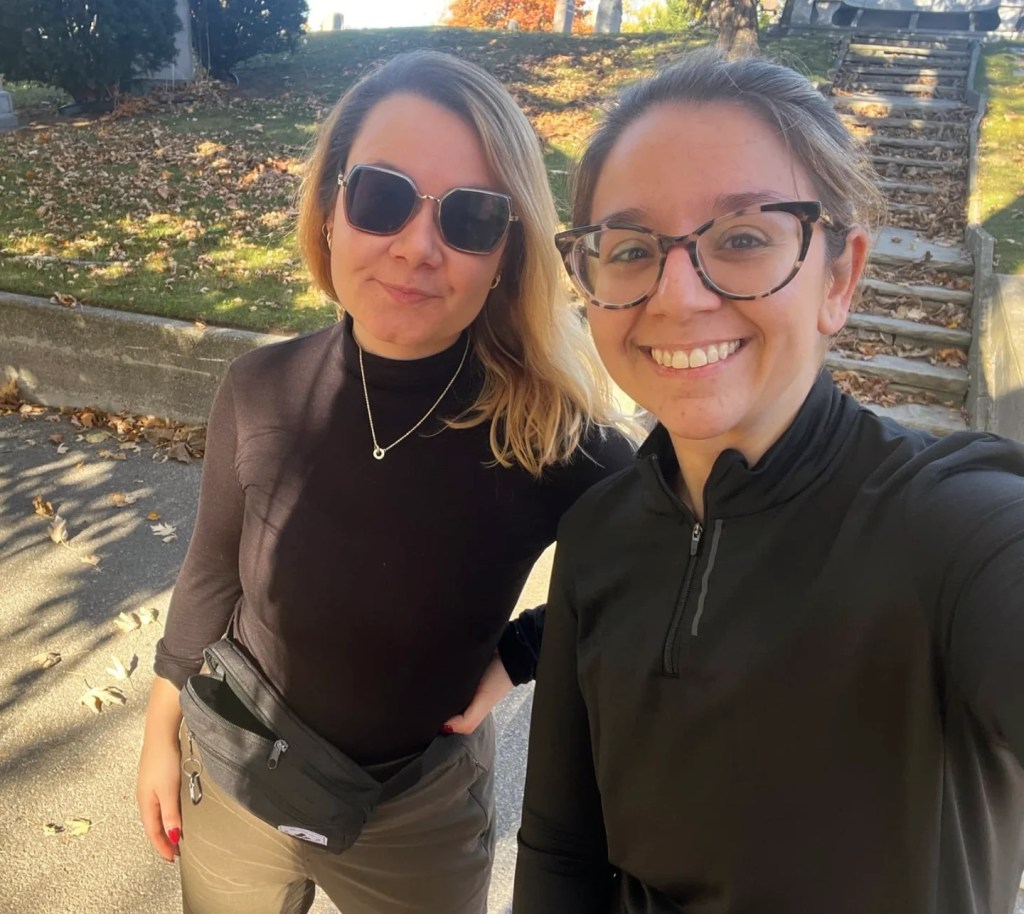
My friend Stephanie and I in November 2024
training for the Holly Jolly Fun Run 5k

Something I would recommend to all new runners is to set small, incremental goals instead of big ones. Things “clicked” for me when my targets became more achievable. My first few running goals were so small that they weren’t related to distance at all, they focused on time: run 3 minutes without stopping. 5 minutes. 10. 15. When I was able to run in 15-minute intervals, my focus shifted to distances: run a 5k. A 10k. A half-marathon.

When the path to a goal seems more achievable, you’re more likely to work towards it. You can build towards your big goals by setting small ones. This approach keeps you focused on the present instead of worrying about a distant, more-intimidating future.

Lesson Two: Embrace Novelty. 

As a beginner, it’s important to periodically check in with yourself and evaluate what methods are working for you and which are not. It’s also important to experiment with new tools and strategies. 

My running strategy has evolved dramatically from when I started out. Some modifications were borne out of necessity from having to solve problems that arose over the course of training. For instance, something that came up early on was experiencing calf pain for days following runs. I was able to resolve this issue by implementing a pre-run stretching routine, buying better shoes and changing my footstrike. I also started experimenting with a shoe rotation when I started experiencing blistering from wearing the same pair of shoes on every run. 

Other modifications to my running strategy came from experimentation for fun. I tried running with both running belts and hydration vests, and found out that I vastly preferred running with vests (despite how dorky I thought they looked). I also experimented with different ways of carrying water (smaller flasks vs. water bladders) and different ways of fueling (I first tried dates, then moved onto running gels and chews).

Trying new things isn’t just a tip for beginners- I think it’s something we should all challenge ourselves to do. Failing to embrace novelty can hinder your personal growth and development. 

Lesson Three: Understand that Progress is Not Linear.

I’ve heard a saying that for every one good run, there will be one mediocre run and one bad run. Not every run will be great. Some runs will be awful. You will not notice improvement after every run. Some days you won’t want to run at all. But, even in the face of roadblocks,  you need to persist.

I’ve experienced my fair share of “bad” runs. I had a number of runs where I had to stop after 2 or 3km because of excruciating side stitches, runs I had to take breaks in the middle of, and a meant-to-be-12km run that I ended early because I ran out of water.

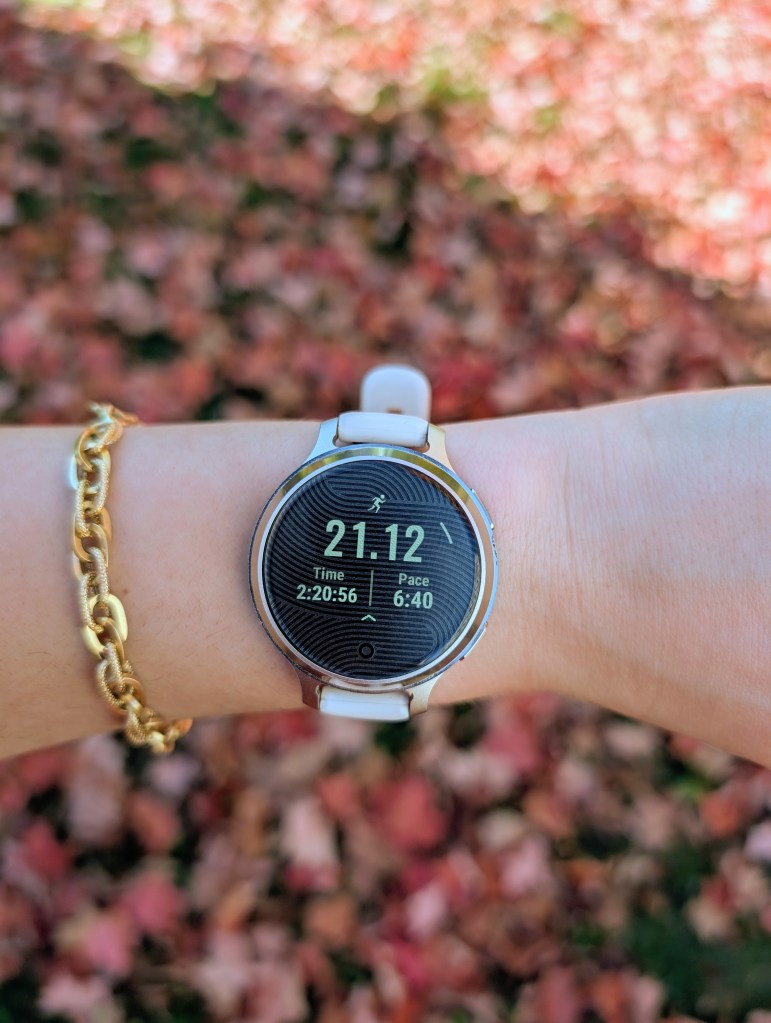
My biggest failure was on what should have been a 20km peak long run in September. I’d been building up to 20km for months, and had just done a 19km run the week before. Despite this, when out for my 20km run, I hit a total mental roadblock very early on and had to stop. I tried taking a half hour break, walking, trying to re-motivate myself- but nothing worked. I didn’t complete the run. Nonetheless, I didn’t let one shitty run get to me. The next week, I tried again, and ended up running my first 21.1km distance.

Progress is not linear; there will be highs and lows in everything we do. The most we can do is learn to trust and embrace the journey.
Lesson Four: Surround yourself with people who make you feel supported.

Something I struggle with is comparing myself to other runners in terms of pace. I’m definitely not the fastest runner out there. I’m still working on accepting that everyone is different, everyone’s bodies are different, everyone has different abilities, and the only person I should be comparing myself to is myself.

Something that has helped me immensely in this particular struggle is following influencers from the “slow running” community online. There’s not a specific pace that defines a slow runner, but in general, slow runners prioritize enjoying running and getting longer distances under their belts instead of worrying about how fast they’re going. This running community reminds me that I can still be a runner, even if I’m not going to win any races anytime soon. I’m also very lucky to have other wonderful runners in my offline life (like my partner who slows his pace to match mine when we run together, and my friend Stephanie, a natural cheerleader) who provide support and encouragement every step of the way.
Future Running Goals

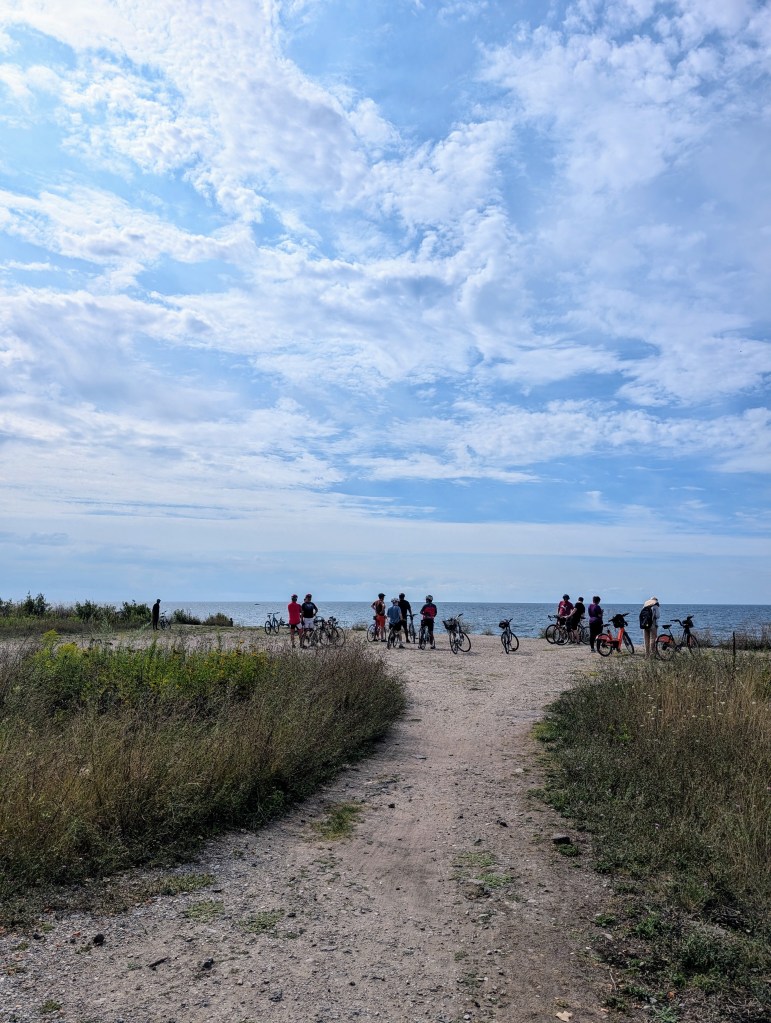
In just one year, running has brought so many good things into my life, and I’m so excited to see what my future in the sport will look like. Now that I’ve finished a half-marathon and fallen in love with long-distance running, you’d think that I’d want to immediately start training for a full marathon- but I don’t. Not yet, anyway. My goal over the coming late fall and winter seasons is to maintain my running fitness. I would like to continue regularly running 10km. I’m considering training for another half-marathon in the spring, but I haven’t signed up for any races yet.  Even though I’m excited to continue making progress, I’m also excited to move into a period of maintenance, where I can give myself permission to slow down, just for a while. 

Perhaps ironically- there’s no rush.

With love,

Laura Kate

  1. For anyone counting, I finished the race in 2 hours and 11 minutes. ↩︎
  2. I started running for a number of reasons, some more ridiculous than others. These included: (1) being bitter about one of my exes, who is a runner; (2) wanting to strengthen my fitness routine with an exercise more intensive than walking; and, (3) wanting to play into the joke about people in their late twenties either getting married or training for a marathon (I wasn’t getting married anytime soon…). ↩︎
The Artist’s Way: Week Nine Reflections

Recovering a Sense of Compassion

Happy Sunday and happy (Canadian) Thanksgiving long weekend! If you celebrate, I hope the food is delicious and the festivities are stress-free. This week was another busy one for me- I almost thought I wouldn’t be able to get to The Artist’s Way. But, against all odds, I was able to fit my reading, artist date, and tasks into the weekend.

This week of The Artist’s Way focused on recovering a sense of compassion. In the text, Julia Cameron talked about how, oftentimes, blocked artists unfairly call themselves “lazy” when they’re having issues creating. In reality, they might be struggling with fear: fear of success, fear of failure, fear of abandonment, etc. She warned about blocked artists falling into patterns of “creative U-turns”: self-sabotaging behaviours they employ when they start to achieve creative momentum. Cameron proposed that the cure for fear and self-sabotaging behaviours preventing artists from creating is self-compassion

There was also a section in the text where Cameon talked about how enthusiasm, rather than discipline, is the key to an artistic life. To this end, she suggested finding ways to treat creative work as play to foster a sense of joy.

Morning Pages

This week, Cameron invited participants to read through all of the morning pages they’d written over the first eight weeks of the program. This task took me about two days- there was a lot to get through.  I found that, predictably, most of my morning pages were made up of boring, repetitive drivel. This said, there were also some important insights in the pages-most of which I have written about already in previous reflection posts. Re-reading my morning pages also gave me ideas for “next steps’ in my artistic journey. 

Throughout the pages, something I said over and over again in many different ways was that I want to go back to school. This isn’t news to me- I’ve always viewed school (undergraduate studies and law school- NOT high school) as one of the best times in my life. I loved the independence and freedom and the focus on learning and self-development. It’s one of my biggest aspirations to go back to school for a Bachelor of Arts degree in English literature, art history or philosophy (a host of subjects I’ve always been interested in, but didn’t study while I was getting my BSc). While I still don’t think going back to university for a BA is in the cards for me (yet?), I’d like to take more courses through the University of Toronto School of Continuing Studies, where I’ve taken a handful of classes already. 

Reading through my morning pages also made me appreciate just how far I’ve come with The Artist’s Way in general. In the first few weeks of writing morning pages, I verbalized doubts about whether the program would “work for me”. But, as the weeks went by, I undeniably gained creative momentum. Since starting The Artist’s Way, I’ve started a blog and post on it regularly, fixed my DSLR camera and brought it outside to take photos for the first time in years, tried out watercolour painting, drafted a short story, and baked a bunch of new recipes. 

All of this said, when it came down to actually writing my morning pages for this week, I really struggled. There were two days with late entries (where I wrote the pages on my lunch break as opposed to first thing in the morning) and one day where I genuinely forgot to do the pages altogether. As much as I’ve benefited from doing the morning pages, and how interesting it was to read them over, I’m really looking forward to being finished with writing them. 

Artist Date

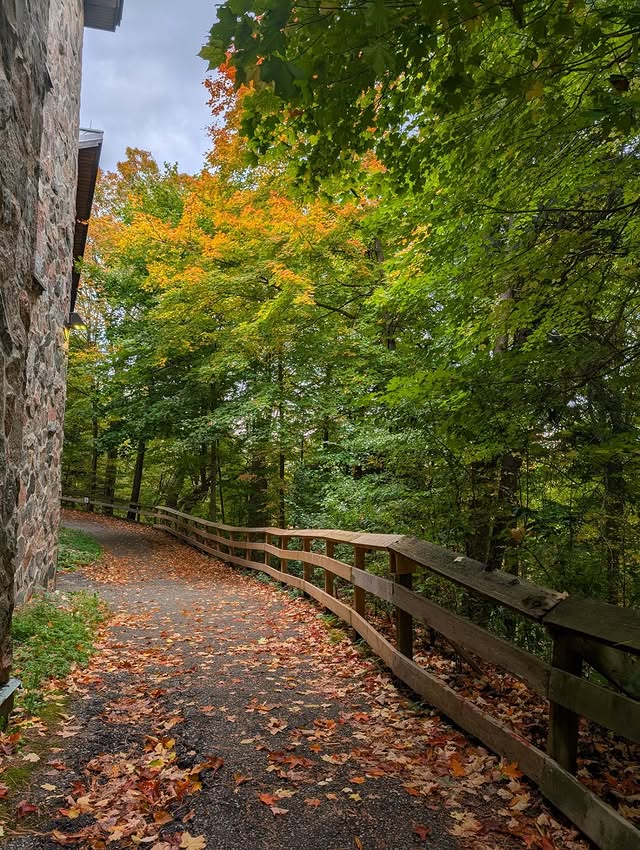
For my artist date this week, I took myself to the McMichael Art Gallery in Kleinberg. According to the gallery, one third of the McMichael collection comes from First Nations, Metis and Inuit artists. A lot of the pieces that drew my attention were from Indigenous creators. Some notable works included Loon Family (1969) by Norval Morrisseau, Indian Residential School, Leaving the Shallow Graves and Going Home (2022) by Lawrence Paul Yuxweluptun, and Study for the Sparrow (2021) by Kent Monkman. The latter two pieces spoke to the tragedy of the Indian residential school system in Canada, and they were very powerful. 

I also saw a viewing of Kent Monkman’s short film, Group of Seven Inches (2005) which was actually filmed at the McMichael in 2004. The short film subverts the authority of the white gaze throughout history. It depicts Monkman’s alter-ego, Miss Chief Eagle Testickle, as an Indigenous, two-spirit artist and ethnographer observing and studying white men.

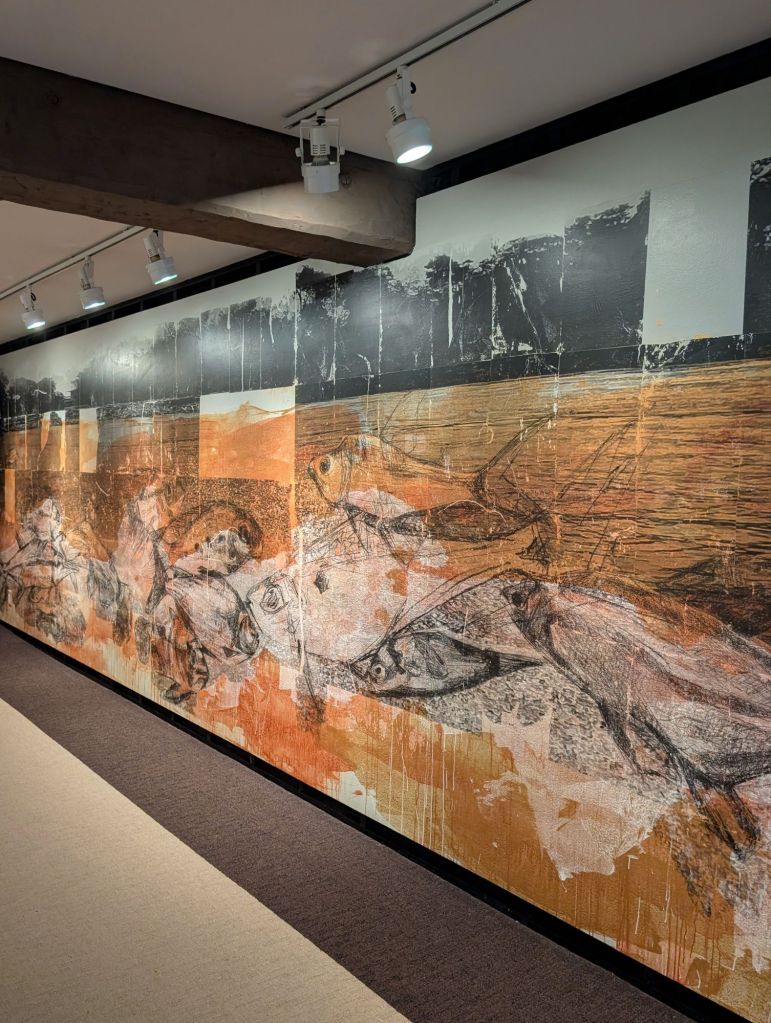
Another notable exhibition was “FISH” by Sandra Brewster. Brewster was born in Toronto, but her parents are from Guyana. Her subjects are dozens of species of fish native to the Essequibo River in Guyana. 

Other Artistic Pursuits

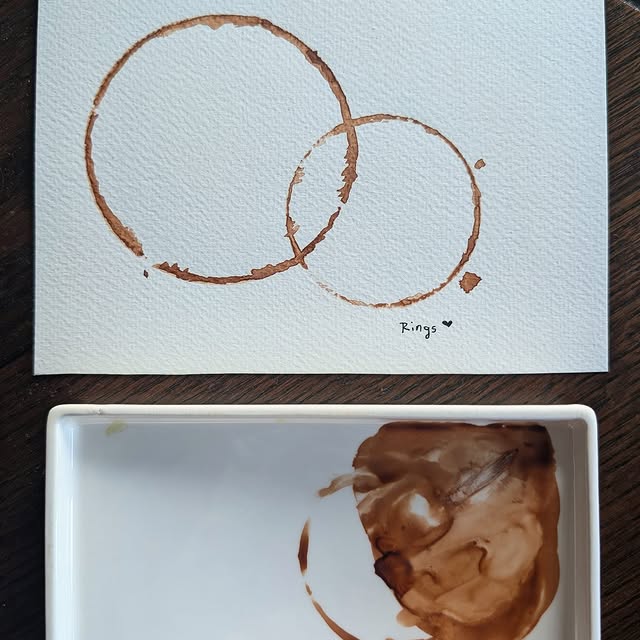
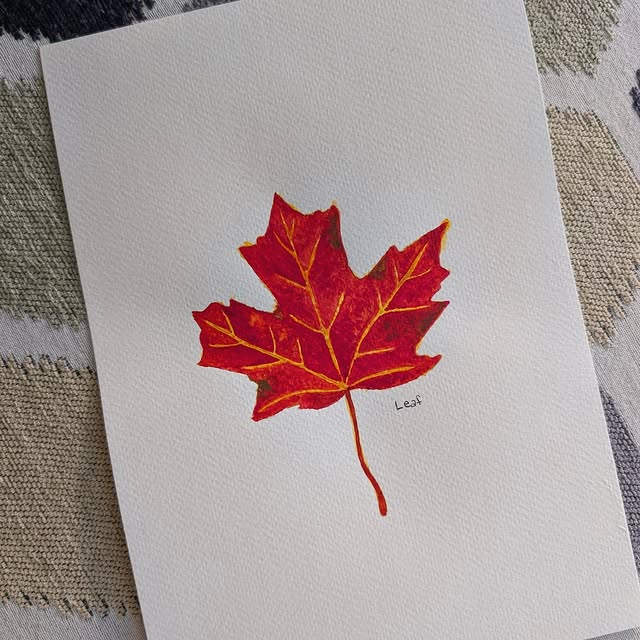
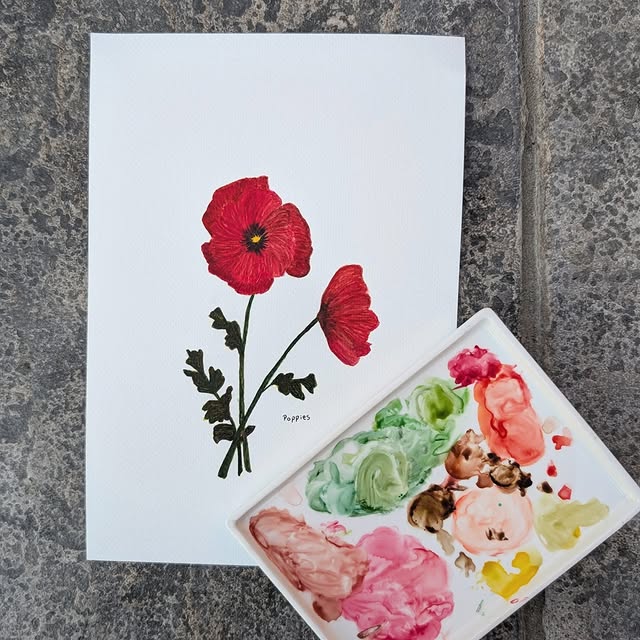
In terms of my artistic endeavours this week, I painted a few more watercolour pictures (but was unable to keep up the INKtober drawing-every-day momentum) and baked a new recipe that I plan to bring to my own family Thanksgiving dinner- banana chocolate chip muffins (even though nothing about this dessert particularly screams “Thanksgiving”).

All in all, despite a slow start, I thought this week went really well! I’m officially into the final quarter of The Artist’s Way, and I’m excited to see what the next three weeks bring. 

Until next week, 

Laura Kate

The Artist’s Way: Week Eight Reflections

Recovering a Sense of Strength

I hope this post finds you well! Here in Toronto, the first week of October has been marked by the last vestiges of summer: despite the changing leaves and cool nights, the days have been sunny and hot. I’m currently writing this from my living room couch; a scented candle and electrolyte drink on the ottoman beside me. I’m trying to wind down (and not fall asleep) following a 15km run this morning.

This week, The Artist’s Way focused on recovering a sense of strength. A lot of the lessons in the text were geared towards professional artists or art students. Julia Cameron talked about how to survive criticism (in good or bad faith) from mentors, academics and audiences more generally. Because I have always considered myself a hobbyist artist and have rarely put my art out into the world for public consumption and critique, a lot of the chapter did not resonate with me. 

There were, however, a few parts of the text that I found interesting. In one section, Cameron pointed out that many people tend to tell themselves that they’re either “too old” or “too young” to make art. On the one hand, we might tell ourselves some variation of: “It’s too late for me to learn how to direct! If I go to film school now, I’ll be forty by the time I graduate!”. On the other hand, we might also say, “I’m too young to learn how to paint! I have to focus on my career- I can take art classes when I retire.” Cameron dismissed these thoughts as excuses we tell ourselves which keep us creatively blocked. As someone who is particularly susceptible to this way of thinking, I’ll try to keep an eye out for it in the future. 

Cameron also discussed pursuing our creative dreams one step at a time. She calls this “filling the form”, or, “taking the next small step instead of skipping ahead to a large one”. An aspiring writer, for example, may dream of publishing a novel. But before she worries about marketing a finished manuscript to an agent, she needs to focus on writing her first draft- one word at a time. This way of thinking prevents us from being daunted by big dreams and focuses our attention instead on smaller, more achievable goals. One of the exercises for this week involved making a concrete plan to achieve our creative goals: thinking about what we can do to work toward them in the next year, in the next month, in the next week, and today.

Artistic Endeavours

I completed my morning pages and tasks for the week, but don’t really have any notable insights or comments to share about them. This week, I focused less on The Artist’s Way program itself, and more on actually creating art. I baked again (though, two recipes I’ve already made before), and painted a handful of watercolour paintings for INKtober. 

INKtober is a month-long art challenge which takes place every October. The challenge invites artists to create and post (primarily on Instagram) art pieces every single day for the entire month. I’ve participated in INKtober a few times in the past- always using the “Peachtober” prompt list created by Sha’an d’Anthes of FurryLittle Peach (as opposed to the official INKtober prompt list). This year, given how busy I’ve been with half-marathon training and The Artist’s Way, I don’t realistically think I’ll be able to paint a picture a day for the entire month. This said, I’d like to get at least a few paintings done. I think it will be a great way to continue experimenting with watercolours and sharing my process online.

For my artist date this week, I spent a quiet afternoon at Mill Pond Park. I brought my journal and some pencil crayons, and ended up spending time walking, drawing and writing. Going outside and spending time in nature seems to be a recurring theme in my artist dates. Perhaps it makes sense that nature features so heavily in my drawings and photographs.  

With love- until next week,

Laura Kate

The Artist’s Way: Week Seven Reflections

Recovering a Sense of Connection

Happy Sunday, and happy first weekend of autumn!

I’ve had yet another busy week1, but feel like I did okay with my progress through The Artist’s Way. The theme of the program this week was recovering a sense of connection, which I understood to mean connection with our inner children, the universe, God, or whatever else we consider to be the sources of our creativity. 

In the text, Julia Cameron began by discussing creating as a form of listening. She explained that creatives often feel as though in order to create, they need to “think up” great ideas. On the contrary, however, if they are connected with their creative sources, creating can become as easy as “getting down” ideas that come naturally. She mentioned Michelangelo remarking that sculpting David was merely a matter of “releasing” him from the marble block he found him in.

The idea that creating is a matter of listening is something that I’ve been engaging with since Week One. In Week One of The Artist’s Way, Cameron invited readers to experiment with using creative affirmations. The affirmation I chose at the time (and have stuck with ever since) was, “as I create and listen, I will be led.” I frequently write and re-write the affirmation in my morning pages. To me, it has been a promise that if I put less pressure on myself to make great things, and instead, just focus on putting pen to paper, creating will come more easily. 

Cameron also talked about perfectionism and learning to take creative risks. Perfectionism is something I struggle with. It regularly impedes my writing process, and makes me avoid drawing certain subjects. This said, it’s important for creatives to keep in mind that, “anything worth doing might even be worth doing badly”. Throughout The Artist’s Way, I have been finding that I’m getting better at combating my perfectionism already. I’m regularly trying out new artistic media and I’m learning to be okay with being a beginner. 

One idea that I found interesting in the text is the idea that no piece of art is ever truly “perfect” or even “finished”. There can always be improvements to be made- but, at some point, an artist needs to put down one project so they can move on to another. A writer can be tempted to edit a manuscript forever, but, sooner or later, they need to stop writing and try to have their piece published. Cameron quotes Paul Gardner: “a painting is never finished. It simply stops in interesting places”.

Finally, Cameron talked about jealousy, and how it can be used as a “map” to locate areas in our lives we are unhappy with and need to work on. She provided a personal example of jealousy in her creative life: she was jealous of female playwrights until she wrote her first play. The jealousy signalled an unrealized aspiration. Cameron challenged readers to think about the people in their own lives that they are jealous of, why they are jealous, and what changes they can make to quell the jealousy.  

Tasks

I didn’t do very well with the tasks this week. Some of the tasks (collaging, for example, or writing out an inspirational phrase in calligraphy) didn’t resonate with me. Others I didn’t find time for. As I said, it was another busy week. 

One of the suggested tasks invited participants to “listen to one side of an album, just for joy”. While I didn’t do exactly this, I did go to a concert- The B-52’s and Devo. I was mostly unfamiliar with the two groups performing: both seemed to hail from the new wave genre of the 1970s and 80s. I went to the concert with an open mind and ended up having a lot of fun, much to my surprise. Every song made me want to dance. I left with some new songs to add to my Spotify playlists and a desire to explore the wider discography of both groups.

Cameron also invited readers to “create one wonderful smell in [their houses]” and “buy [themselves]… one comforting, self-loving something”. I interpreted these tasks in a very consumerist way. I used the scent exercise as an excuse to go to Bath and Body Works, smell all of the fall-scented candles, and buy myself the one I liked best (Pumpkin Bonfire: “white pumpkin, a bundle of clove buds, glowing embers”). I then went to Uniqlo and purchased a wine-coloured cashmere Heattek long-sleeved shirt- a very comforting, self-soothing article of clothing.2

Artist Date

For my artist date, I went to a café, ordered a sandwich and a drink, pulled out my laptop, and drafted a short story. When I say short, I mean short- just under 1200 words. I’d had the idea for the story in my head for a while; it was just a matter of “getting it down”. It’s been months since I’ve tried my hand at fiction-writing, so this was a nice change.

Other Artistic Endeavours

This week, I painted 2 pictures using my new, better quality watercolour paints, and tried out a new recipe for pumpkin chocolate chip muffins. With respect to the watercolour paints, I noticed a quality difference right away between the new ones (Winsor & Newton Cotman paints- which are still not professional quality) and the ones I’d been using previously. The new paints are much easier to use. 

I also re-activated my Instagram and created a public account for my art. As you might remember, when I began The Artist’s Way, I started a blog because I had deleted most of my traditional social media. I have now been (mostly) off of traditional social media for almost 2 months. While the break has been great, I feel disconnected from the online art community. By starting a public Instagram account, I’m hoping to connect with other creatives on that platform. My plan is to deactivate my “personal” account again, but keep the public Instagram active and limit myself to a certain amount of time on the app per day. If I find myself falling into the same borderline addictive Instagram use as before, I will reassess whether I should stay on the platform.

I’ll talk to you next week!

Laura Kate

  1. I ran my first half-marathon distance, which I’m sure I’ll be talking about at length in a future blog post ↩︎
  2. In the Winter, I wear at least 1 Heattek article of clothing every day ↩︎

The Artist’s Way: Week Six Reflections

Recovering a Sense of Abundance

Happy last day of summer, and welcome to my new website! While I’d been enjoying using Substack to publish this blog, even after about a month and a half of use, I was still finding the platform difficult to navigate. WordPress seemed like a good alternative as I am relatively familiar with the platform- I kept a blog on WordPress for a number of years in my teens and early twenties. I’m still working out some kinks with WordPress, but I’m optimistic that I’ll feel at home again here soon.

On an unrelated note- is it just me, or is anyone else feeling strangely burned out? I’ve been plagued by a persistent sense of exhaustion since about the start of the month, and I haven’t been able to identify the culprit. The fatigue definitely spilled into my experience with The Artist’s Way this week- while I kept up with my morning pages and went on an artist date, I found very little time or energy to create, even though I wanted to. I’m a bit disappointed!

Lessons from the Text

The focus of The Artist’s Way this week was recovering a sense of abundance. Mainly, Julia Cameron asked participants to examine their relationships with money, because money can be a significant contributing factor to creative block.

Many of us carry the belief that being an artist is incompatible with financial stability. We may not see art as a “productive” hobby, and we may feel like we need to prioritize “practical” pursuits over artistic ones in our lives. Cameron writes: “most of us harbour a secret belief that work has to be work and not play, and that anything we really want to do – like write, act, dance- must be considered frivolous”. I certainly agree with this sentiment- as I’ve discussed before, for many years, I prioritized school and my career over art and creative living. Nowadays, I even see myself prioritizing more “productive” hobbies, such as exercise, over making art. This is something I’d like to change. 

Financial stress can also cause artists to get in the habit of denying themselves luxuries (even small ones) in the pursuit of saving money. Cameron gave an interesting example in the text of a woman who loved raspberries but never let herself buy them because they were too expensive. Not all luxuries need to be expensive, or cost anything at all: time spent in creative solitude, for instance, can be a great luxury. Cameron argues that when we allow ourselves to accept small luxuries, we open ourselves up to a greater creative flow overall.

Finally, the text challenged participants to analyze their own thoughts and feelings about money. I reflected on my own influences when it comes to personal finance- from my parents, who were definitely savers, to the pessimistic zillenial sentiment that young people will never be able to afford things like houses no matter how much they save, so they may as well splurge on small luxuries. My personal philosophy about money is a blend of these influences- while I value saving money, I’m also not afraid to spend on “little treats” like takeout coffee a few times a week.

Tasks

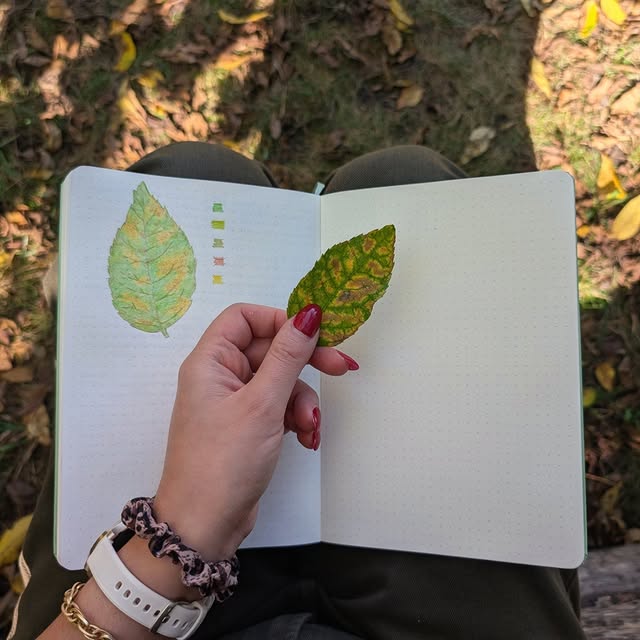
The tasks this week were quite interesting. Participants were challenged to go outdoors and collect rocks, leaves or flowers and notice the natural abundance in nature.

Another task asked participants to track their expenses for the full week, assess where they spend their money and evaluate whether their spending habits reflect their values. For this task, I reviewed my spending habits starting from the beginning of September. I found that (apart from “necessary” expenses like rent, insurance and my phone bill) I had spent the most money on clothes. This was very surprising. For the last while, I’ve been wanting to buy myself better quality watercolour paints, but dismissed the purchase as “too expensive”. The financial audit made me wonder why I denied myself the small luxury of better quality paints when I easily just spent 4x the amount I would have spent on paints on a few jackets and a pair of pants. 1

Artist Date

For my artist date this week, I took myself on a nature walk through the Black Creek Parklands. There, I completed one of the tasks for the week and collected leaves. There seems no better time than early autumn to complete this exercise when the leaves are all starting to change colour. Spending time outdoors always makes me appreciate all the natural (and free) beauty and abundance in the world. 

I made sure to bring my camera along to take some photos, and kept my phone turned off to have a truly sensory, distraction-free experience. I paid attention to the chirping of birds, the changing colours of the trees, and the contrasting sensations of the cool, crisp morning air and the warmth of sunlight on my skin.  

I realize that I’ve done similar artist dates for the past three weeks, so, next week, I’d like to challenge myself to change things up. I’m hoping to either visit a museum or experiment with a new artistic medium. 

Until next week, 

Laura Kate

P.S.- I just realized I’m exactly halfway through The Artist’s Way! I feel like the program has been so beneficial already in encouraging me to live a more creative life. Here’s hoping the next six weeks are just as illuminating. 

  1. Spoiler alert- after I drafted this blog post, I DID end up buying myself some better-quality watercolour paints. All in the name of embracing small luxuries, right? ↩︎